
Business
Latest Oil Market News and Analysis for Nov. 5
By Katherine Langford
Advertisement · Why this ad?
Katherine oversees editorial operations across all six brands. Before joining The Meridan Group, she spent 14 years at the Minneapolis Star Tribune, where she led the metro desk through its digital transformation. She holds a Master's in Journalism from Northwestern's Medill School.
More from Katherine →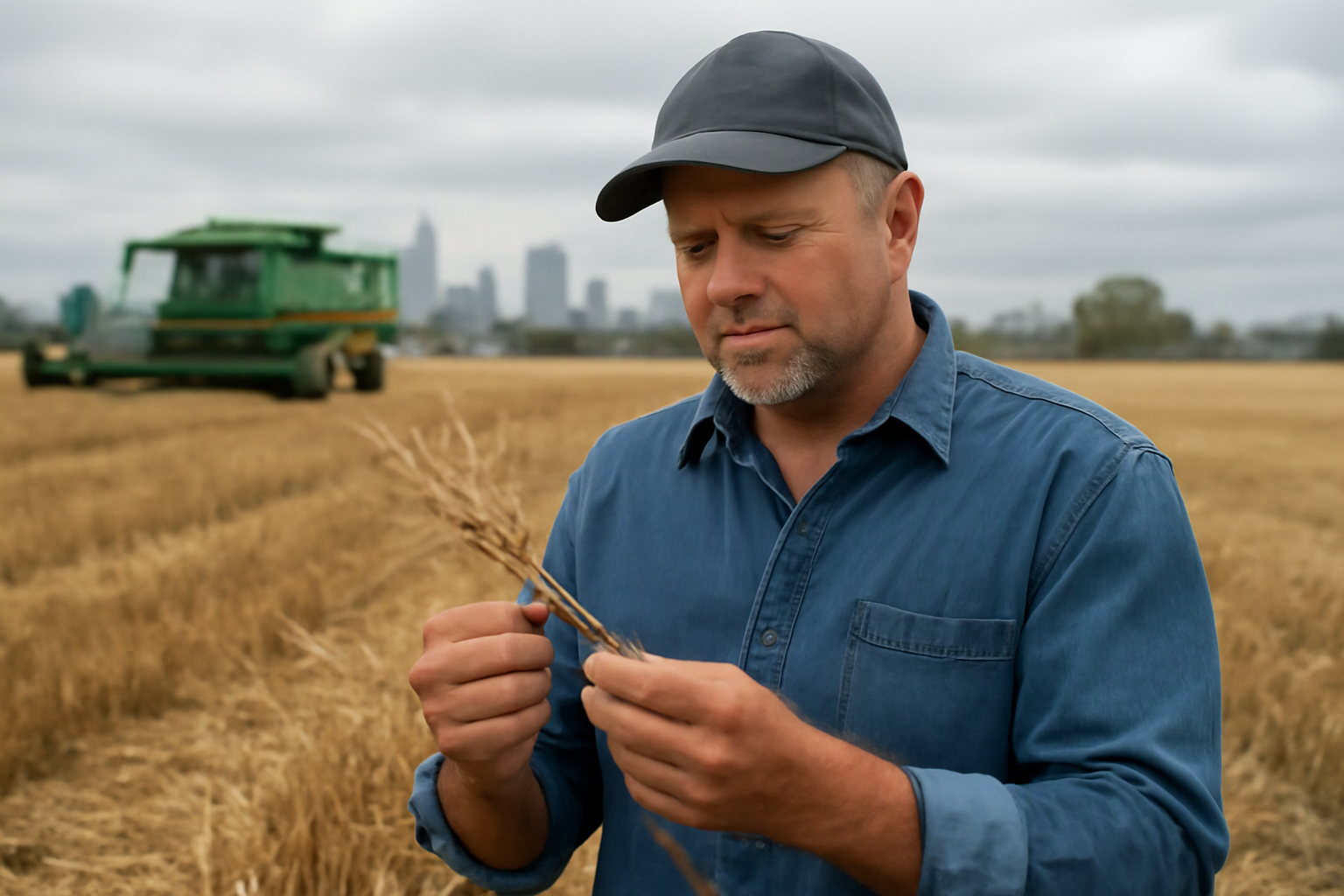
As the sun reluctantly breaks through the heavy clouds over rural Australia, farmers are left surveying their fields with a mix of hope and concern. October 2023 has been marked by unprecedented rainfall, transforming the landscape into a verdant expanse, yet casting a shadow over the nation’s wheat harvest. This year, the weather has not only disrupted the harvest schedule but also raised significant questions about the quality of the grain that will eventually make its way to global markets.
Australia has experienced one of its wettest Octobers on record, with rainfall levels reaching historic highs across various regions. The Australian Bureau of Meteorology reported that some areas received over 200 millimeters of rain, leading to widespread concerns among farmers regarding the impact on crop quality and harvest timing. The increased moisture levels have created a perfect storm for challenges such as sprouting and fungal diseases, which can severely affect the quality of high-protein wheat, a staple in both domestic and international markets.
The Australian wheat industry is particularly sensitive to these changes, as it plays a crucial role in the global supply chain. According to the latest reports, Australia is expected to produce approximately 36 million metric tons of wheat this season. However, the recent weather conditions have prompted experts to adjust their forecasts, with many now predicting a decline in the quality of the grain.
The quality of Australian wheat is of paramount importance, especially in light of the growing global demand for high-protein varieties. Countries such as Indonesia and the Philippines rely heavily on Australian grain to meet their food security needs. As concerns over quality escalate, traders are beginning to speculate on how this might affect prices and supply chains. The Australian Export Grain Innovation Centre has warned that if the quality issues are not addressed, the repercussions could ripple through the global market, leading to increased prices for consumers worldwide.
Moreover, as Australia grapples with these challenges, other wheat-producing nations are closely monitoring the situation. The United States, Canada, and Russia are all potential beneficiaries if Australia’s crop quality declines significantly. This could lead to a shift in global market dynamics, further complicating an already volatile agricultural landscape.
Farmers in Australia are expressing their concerns with a sense of urgency. Many have invested significant resources into this year’s crop, and the prospect of reduced quality threatens not just their livelihoods, but also the stability of the local economies that depend on agriculture. Local farmer and president of the Grain Growers Association, John Smith, stated, "We are facing a critical time. The weather has thrown us a curveball, and we need to adapt quickly to protect our harvest and our future."
Community gatherings have become a platform for farmers to share strategies on how to mitigate the effects of the rainfall. Workshops and meetings organized by local agricultural groups have focused on best practices for managing wet conditions and ensuring that the crop can still meet market standards. The resilience of these farming communities is evident as they come together to support one another in navigating these challenges.
In towns like Wagga Wagga and Griffith, where agriculture is the backbone of the economy, the impact of the rainfall is felt deeply. Farmers are not just worried about their immediate crops but also about the long-term implications for soil health and sustainability. Local agricultural extension officers are working overtime to provide advice and resources, emphasizing the importance of soil management practices that can help mitigate the effects of excessive moisture.
The stakes are high, not only for farmers but also for consumers. The potential decline in wheat quality threatens to impact everything from bread prices to animal feed. The Australian wheat industry contributes significantly to the nation’s economy, with exports valued at over $3 billion annually. A decrease in quality could lead to loss of market share and financial strain on farmers.
Additionally, the implications extend beyond immediate economic concerns. Food security is a pressing issue worldwide, and disruptions in grain supply can exacerbate existing challenges in regions already facing food shortages. The interconnectedness of global agricultural markets means that what happens in Australia can have far-reaching consequences.
For many families in rural Australia, farming is not just a job; it’s a way of life that has been passed down through generations. The potential loss of crop quality not only threatens their income but also their heritage and community identity. As farmers face these challenges, local governments are stepping up to provide support, with some regions implementing emergency assistance programs aimed at helping farmers recover from crop losses.
As Australia navigates these turbulent weather conditions, farmers and agricultural experts are calling for increased support and resources to help manage the situation. The government has stepped in, promising assistance through programs aimed at improving crop resilience and providing financial aid to those affected by the extreme weather. However, the effectiveness of these measures remains to be seen.
Looking ahead, the focus will be on how quickly farmers can adapt to the changing conditions and what measures can be put in place to safeguard the quality of their crops. With harvest season in full swing, the next few weeks will be critical in determining the overall impact of this month’s heavy rainfall. The Australian agricultural sector is known for its innovation, and many farmers are exploring new technologies and practices that can enhance crop resilience in the face of climate variability.
In conclusion, the challenges posed by this October's rainfall underscore the fragility of agricultural systems in the face of climate variability. The resilience of Australian farmers, combined with community support and government intervention, will be essential in overcoming these hurdles. As the world watches, the hope is that Australia can not only maintain its reputation as a leading wheat producer but also ensure that families around the globe can continue to access quality food. The future of agriculture in Australia hinges on the collective efforts of farmers, scientists, and policymakers working together to build a more resilient food system.
By Katherine Langford

By Marcus Chen

By Marcus Chen

By Marcus Chen