
Real Estate
Saudi Arabia Pushes Ahead With IPO Rule Changes Despite Banker Warnings
By Marcus Chen
Advertisement · Why this ad?
Katherine oversees editorial operations across all six brands. Before joining The Meridan Group, she spent 14 years at the Minneapolis Star Tribune, where she led the metro desk through its digital transformation. She holds a Master's in Journalism from Northwestern's Medill School.
More from Katherine →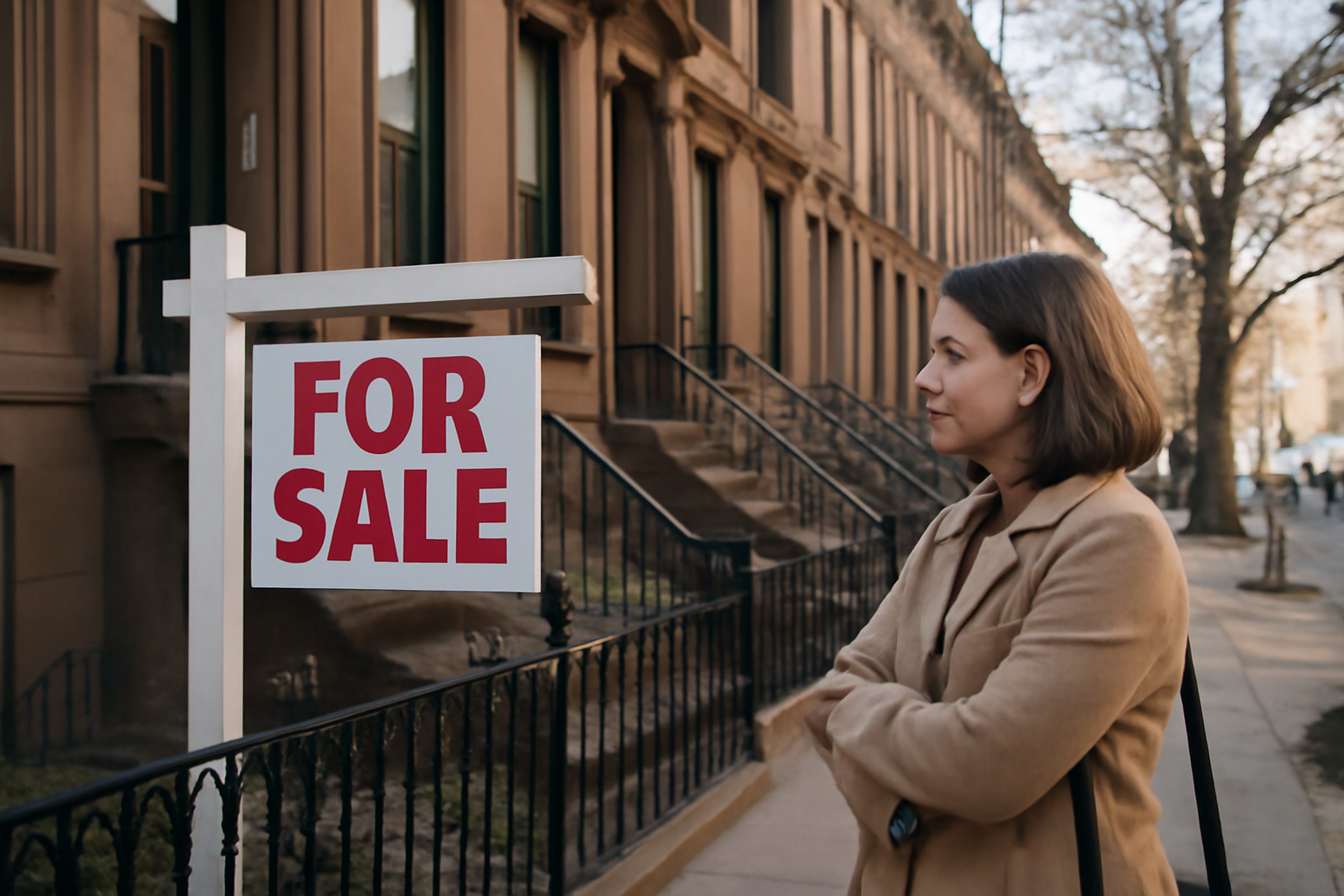
As the sun rises over the New York skyline, a palpable sense of uncertainty lingers in the air for prospective homebuyers. For the third consecutive week, US mortgage rates have retreated slightly, offering a glimmer of hope amidst a landscape marked by high borrowing costs. Yet, despite this decline, many families in New York City find themselves grappling with the reality that homeownership remains an elusive dream.
According to recent reports, US mortgage rates have dipped for three weeks in a row, a trend that could suggest a potential easing of the financial burden faced by homebuyers. However, the average rate still hovers above the critical 7% mark, which continues to deter many from entering the housing market. This scenario is particularly pronounced in New York City, where housing prices are notoriously steep and the cost of living remains among the highest in the nation.
The latest data indicates that the average 30-year fixed mortgage rate is currently around 7.08%, a slight decrease from previous weeks. While this may seem like positive news, the reality is that many prospective buyers are still sidelined due to the overall affordability crisis. Rising home prices, combined with elevated interest rates, have created a perfect storm that makes homeownership increasingly difficult for average families.
New York City is known for its vibrant culture and economic opportunities, but it also has one of the highest costs of living in the United States. The median home price in neighborhoods like Manhattan can exceed $1 million, while even outer boroughs like Queens and Brooklyn see prices that can be daunting for first-time buyers. According to the New York City government, the average rent for a two-bedroom apartment in Manhattan is currently around $4,500, which further complicates the decision for families considering homeownership.
Local economist Dr. Sarah Kim emphasizes that the high demand for housing, coupled with limited supply, exacerbates the situation. "New York's housing market is characterized by a significant imbalance between supply and demand, which drives prices up. Even with lower mortgage rates, the high entry price remains a barrier for many families," she explains.
The reaction from the community is mixed, as many residents express frustration over the ongoing challenges of securing affordable housing. Local real estate agents report that while some buyers are cautiously optimistic about the recent dip in rates, the overall sentiment remains one of hesitation. "People are still feeling the pinch of high prices and high rates," said Maria Torres, a seasoned real estate agent in Brooklyn. "Even with a slight decrease, many are still priced out of the market."
For families looking to settle down and establish roots, the current housing climate poses significant challenges. Many are opting to rent rather than buy, which further drives up rental prices across the city. This shift not only affects individual families but also has broader implications for the community, as stable homeownership is often linked to stronger neighborhoods and healthier family units.
Local residents are vocal about their concerns. Take the example of the Johnson family, who have lived in Brooklyn for over a decade. "We thought we would be able to buy a home by now, but with prices skyrocketing and rates still high, we feel trapped," says Lisa Johnson, a mother of two. Her husband, Mark, adds, "We are considering moving out of the city to find something more affordable, but we love our community. It’s a tough decision." The Johnsons are not alone; many families are faced with similar dilemmas, balancing their desire for homeownership with the economic realities of New York City.
The implications of these rising rates extend beyond mere numbers; they affect the very fabric of family life in New York City. Families that once dreamed of owning their own homes are now grappling with the reality of extended rental agreements, leading to a sense of instability. According to a recent survey by the New York City government, nearly 60% of renters expressed concerns about their ability to afford housing in the coming year.
This uncertainty can strain relationships and impact family dynamics. As parents work longer hours to meet rising costs, the time spent together as a family diminishes. The American dream of homeownership, often seen as a cornerstone of stable family life, feels increasingly out of reach for many.
Looking ahead, the trajectory of mortgage rates remains uncertain. Analysts suggest that while recent fluctuations may provide temporary relief, the underlying economic conditions that have led to high rates are still in play. Factors such as inflation, employment rates, and the Federal Reserve's monetary policy will continue to influence the housing market.
For families hoping to achieve homeownership, it may be essential to explore alternative financing options and programs designed to assist first-time buyers. Organizations like the U.S. Department of Housing and Urban Development offer resources that can help families navigate the complexities of securing a mortgage. Additionally, local nonprofits and community organizations are working diligently to provide support and education for prospective buyers.
In response to the challenges posed by the current housing market, various community resources are available to assist families in their quest for homeownership. The New York City Department of Housing Preservation and Development provides valuable information on affordable housing options, while local housing counseling agencies offer personalized guidance for navigating the mortgage process.
Furthermore, the New York City Realtors Association has launched initiatives aimed at educating potential buyers about the current market landscape and available financing options. By equipping families with the knowledge they need, these organizations are helping to foster a sense of empowerment and hope in an otherwise daunting environment.
In light of the ongoing housing crisis, several community initiatives are emerging to address the needs of families. Local advocacy groups, such as the Housing NYC Coalition, are campaigning for policy changes that would increase affordable housing availability and protect renters from displacement. These grassroots efforts are crucial in raising awareness and pushing for legislative changes that can positively impact the housing market.
Moreover, city officials are exploring solutions to boost housing supply, including zoning reforms and incentives for developers to create affordable units. As the city grapples with its housing crisis, the collaboration between community organizations, government entities, and residents will be vital in crafting a sustainable path forward.
The recent decline in mortgage rates may offer a momentary respite for some, but the broader challenges facing prospective homebuyers in New York City remain significant. As families navigate this complex landscape, the importance of community support and resources cannot be overstated. By fostering a culture of commitment to family and community, we can work together to ensure that the dream of homeownership remains attainable for future generations.
By Marcus Chen

By Marcus Chen

By Katherine Langford

By Marcus Chen