Business
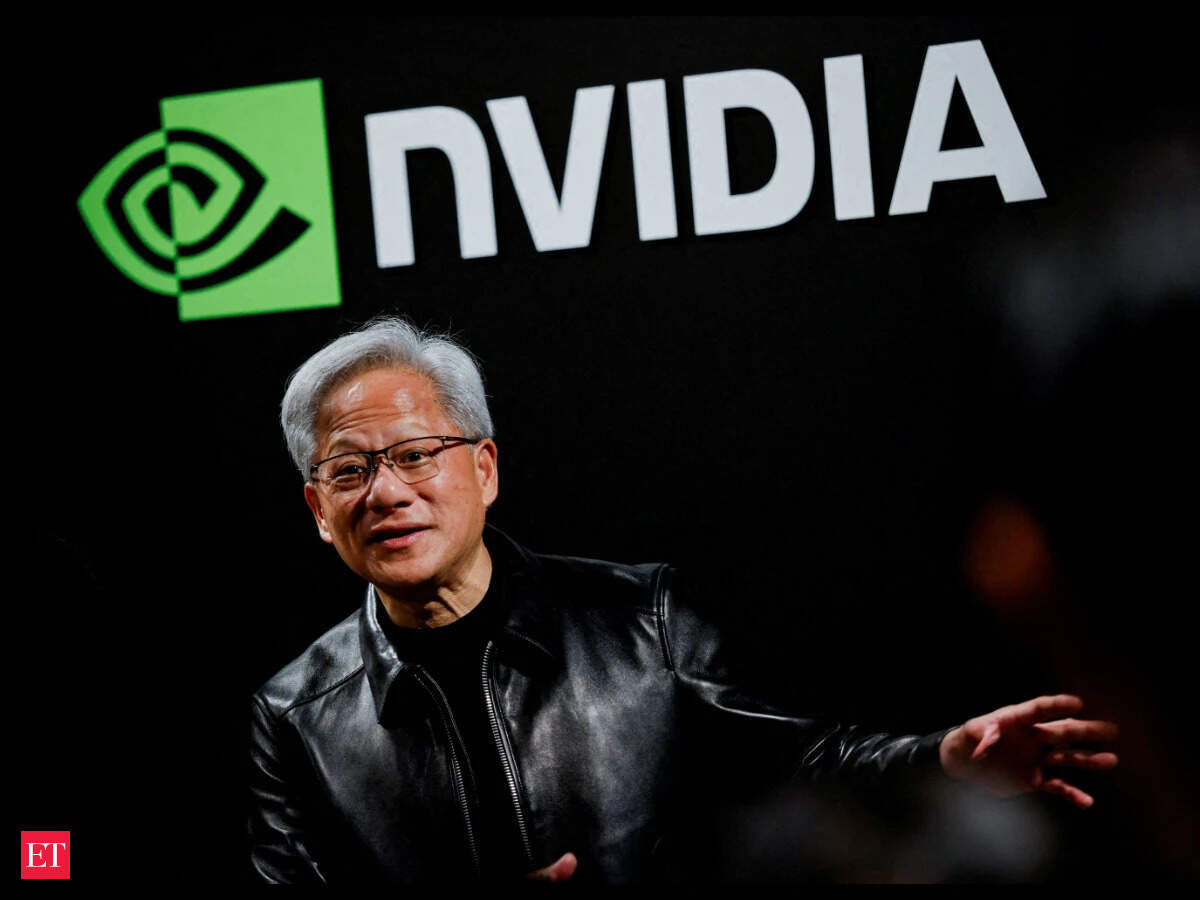
Nvidia board meets to decide CEO's future
By Marcus Chen
Advertisement · Why this ad?
Katherine oversees editorial operations across all six brands. Before joining The Meridan Group, she spent 14 years at the Minneapolis Star Tribune, where she led the metro desk through its digital transformation. She holds a Master's in Journalism from Northwestern's Medill School.
More from Katherine →
AP The writer David McCullough said that “history is a guide to navigation in perilous times.” This is good advice in a world being transformed by wars in Iran and Ukraine, by shifts in military technology and AI. Today, Veterans Day, is an appropriate moment for such reflection. World War II , in particular, is a rich trove of history. In my latest novel, “The Turning Tide: A Novel of Love and War,” I’ve explored the themes of the early 1940s. In terms of warfare, four historical lessons stand out. ALSO READ | Trump's Iran war pause is as costly as new strikes The first is how quickly technology can change the battlefield. World War II brought incredible advances in cryptology and code-breaking (the cyberwarfare and AI of the day), battlefield sensors such as radar and sonar (much like precision satellites in today’s world), and the shift from battleships to aircraft carriers (much as drones are making tanks and artillery increasingly vulnerable). The war in Ukraine, which initially resembled World War I — dominated by artillery, tanks, trenches, hand-to-hand combat and snipers — has rapidly become a war of the future. Now, as in the 1940s, combatants must step up investment in research and development to scale advances in technology and hardware. Live Events ALSO READ | India offers 3-part plan to de-escalate Ukraine war In World War II, the US adapted its command structures to manage these technological shifts, especially in the maritime battlefields of the Pacific. Today, the Pentagon has taken a good step in that direction: creating the new Autonomous Warfare Command, a four-star combatant command that will oversee robotic, AI-enabled and unmanned systems across the military. A second lesson is that leadership at the very top makes an enormous difference. In the Pacific theater of World War II, we saw the impulsive, aggressive, profane and charming Admiral William Halsey commanding the Third Fleet. Known as “Bull,” he was always ready for a fight and a natural warrior, good attributes when he directed the brutal island-hopping combat of Guadalcanal and Rabaul. But he badly misjudged the Japanese plan at the Battle of Leyte Gulf in 1944, nearly leading to disaster in the largest naval battle in history. Contrast his personality with that of the commander of the Fifth Fleet: the preternaturally calm and cerebral Admiral Ray Spruance, who oversaw the final amphibious assaults of the war. There are times to smash the enemy in the mouth with everything you’ve got, but you also need more detached personalities who will think through the longer-term effects. Personally, I’m on Team Spruance. A third lesson is that wars are won in shipyards and factories as much as at sea, on the ground and in the air. During World War II, US shipyards turned out more than one destroyer a week. Today, we build one or two a year while China is busy creating the world’s largest navy. The new Congress could achieve an early win with a multiyear shipbuilding and repair package. As the Second World War demonstrated, we must out-think and out-fight our enemies, but above all we must out-build them. Finally, we need to remember that war is an inferno. As I look at the young sailors undertaking nearly yearlong deployments to the Persian Gulf and Red Sea, facing Iranian ballistic missiles, high-tech drones, fast-attack speedboats and minefields, I am sure many are wondering how they will perform in battle, and whether they will emerge from the fire. The men on the deck plates in World War II were united in common cause. Their crews came from farms, mill towns and big cities. Nobody at a battle station asked a shipmate’s politics. Today’s sailors deserve a nation similarly united behind them. (The views expressed in this article are solely those of the author and do not necessarily reflect the views of the publication.) Add as a Reliable and Trusted News Source Add Now! (You can now subscribe to our Economic Times WhatsApp channel ) Read More News on World War II military technology Ukraine war leadership in warfare shipbuilding Admiral Spruance Pentagon (You can now subscribe to our Economic Times WhatsApp channel ) Read More News on World War II military technology Ukraine war leadership in warfare shipbuilding Admiral Spruance Pentagon Prime Exclusives Investment Ideas Stock Report Plus ePaper Wealth Edition Business of Odd Things: The farm that needs no land, freshwater, or fertiliser KYC and KYB: Inside Pidilite, the company that turned Fevicol into a word for a strong bond – Part 1 of 3 Seoul halts trading, Nifty has its best week since 2021: Money leaving the AI trade – will it land in India? Junk bonds are cracking at the bottom. Will the noise get loud enough to make ‘junk bond’ a household term again? PNG connections rise half a million, but how many use piped gas for cooking? Some elections matter more than you know: No crop changed in the fields, yet sugar, coffee and soya got cheaper in a day 1 2 3 View all Stories
By Marcus Chen

By Katherine Langford

By Marcus Chen
By Katherine Langford