Business
Oil prices tumble below $100 on post-election peace hopes
By Marcus Chen
Advertisement · Why this ad?
Katherine oversees editorial operations across all six brands. Before joining The Meridan Group, she spent 14 years at the Minneapolis Star Tribune, where she led the metro desk through its digital transformation. She holds a Master's in Journalism from Northwestern's Medill School.
More from Katherine →
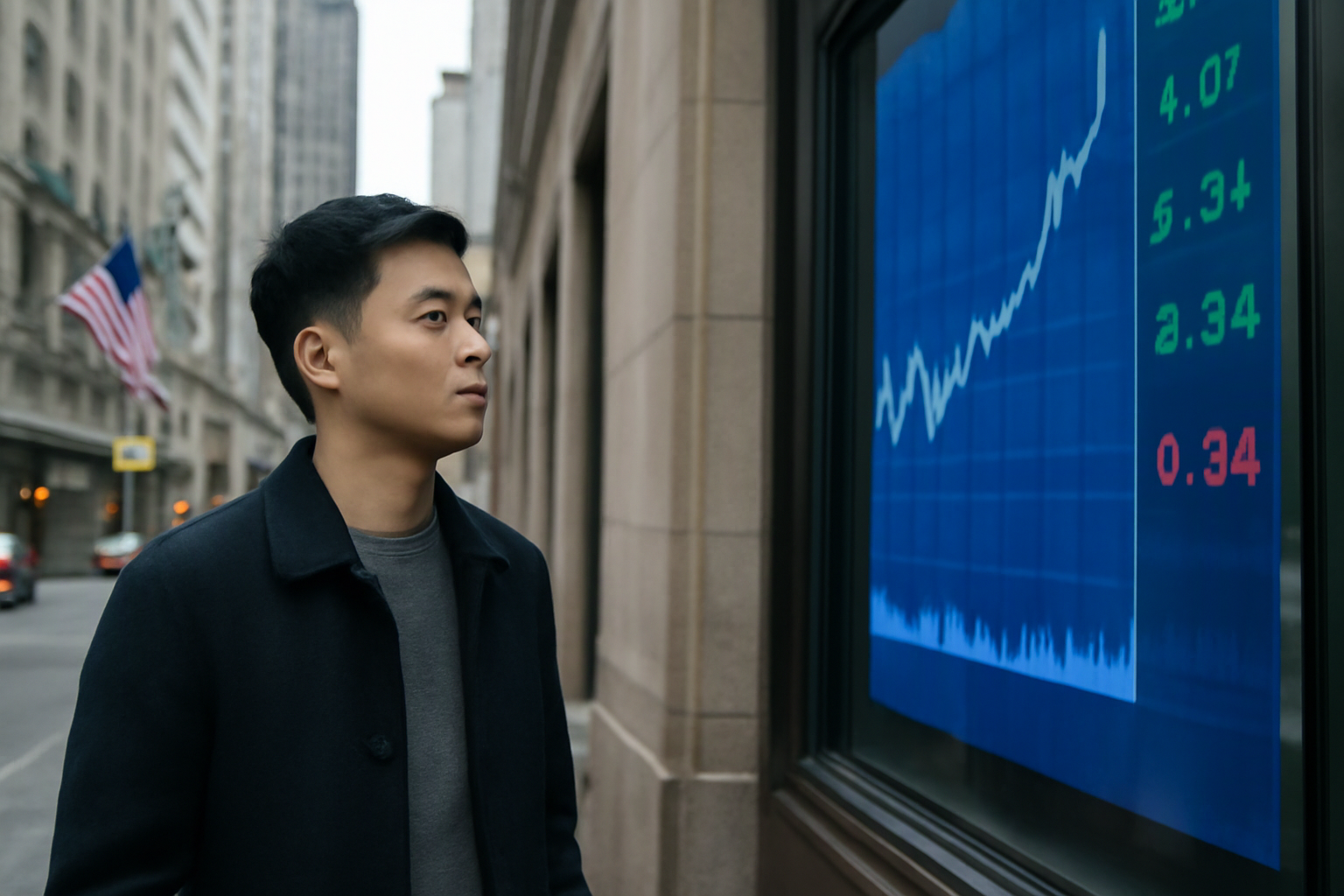
As the sun rises over the bustling streets of New York City, a sense of optimism lingers in the air, fueled by the recent midterm election results. For many, the dawn of a new political landscape brings hope for revitalized economic policies and a brighter business climate. Yet, beneath this surface optimism lies a complex reality: the cyclical nature of business and finance continues to dictate outcomes, regardless of political shifts.
The recent midterm elections have sent ripples through the economic landscape, with results that many analysts deem astonishing. Voter turnout reached unprecedented levels, reflecting a populace eager for change. Candidates focused on economic issues resonated with constituents, suggesting a collective desire for policies that foster growth and stability. However, while these electoral outcomes may signal a shift in governance, they do not alter the fundamental cycles that govern business and financial markets.
As we observe the trends in the stock market and the broader economy, it becomes evident that these cycles are driven by factors beyond political control. The Federal Reserve's monetary policy, inflation rates, and global economic conditions are all critical elements that shape the trajectory of business. Despite the potential for new leadership to influence policy, the underlying economic cycles remain steadfast.
Local business owners and entrepreneurs are keenly aware of this reality. For them, the midterm elections are a backdrop to their daily challenges and triumphs. Maria Gonzalez, owner of a small coffee shop in Brooklyn, expressed her hopes for new policies that could benefit small businesses. "We need support for local entrepreneurs, especially in this challenging economic environment," she said. "Elections can bring change, but we still need to navigate the cycles of the market."
Gonzalez's sentiments are echoed by many in the community. Small business owners, who often feel the brunt of economic fluctuations, are looking for stability and support. The hope is that elected officials will prioritize initiatives that foster job creation and economic resilience. However, the reality remains that external factors, such as supply chain disruptions and inflation, can overshadow any political promises.
In Manhattan, financial analyst David Chen noted that while the elections may have shifted the political landscape, the fundamentals of the market are unchanged. "Investors are always looking for certainty, and political outcomes can create volatility in the short term," he explained. "But in the long run, the cycles of business and finance will prevail."
To grasp the significance of these cycles, it is essential to understand their nature. Economic cycles consist of periods of expansion and contraction, influenced by various factors including consumer confidence, interest rates, and government policies. As we emerge from a period of recovery, many are wary of the potential for a downturn.
Historically, economic expansions have been followed by contractions, a pattern that has repeated itself throughout the decades. The current economic landscape, characterized by rising inflation and fluctuating interest rates, raises questions about the sustainability of growth. While the elections may bring new leadership, the cyclical nature of the economy suggests that challenges lie ahead.
For New Yorkers, the implications of these economic cycles are profound. The city, known for its resilience and entrepreneurial spirit, must navigate the challenges posed by both local and global economic conditions. As businesses brace for potential headwinds, community leaders are advocating for policies that support economic stability.
Organizations such as the New York City Economic Development Corporation are working to create initiatives that bolster local businesses and promote job growth. By focusing on workforce development and supporting small businesses, these efforts aim to mitigate some of the uncertainties that lie ahead.
Moreover, the importance of community support cannot be overstated. Local chambers of commerce and business associations are mobilizing to provide resources and networking opportunities for entrepreneurs. The New York City Chamber of Commerce has launched programs to connect small businesses with mentorship and funding resources, fostering an environment conducive to growth.
In addition to the broader economic implications, the stories of individuals and small businesses illustrate the human element behind these statistics. Take, for instance, the case of James Lee, who runs a family-owned bakery in Queens. After facing significant challenges during the pandemic, Lee is cautiously optimistic about the future. "We’ve struggled to keep our doors open, but I believe that with the right support from the local government, we can thrive again," he shared. His story highlights the resilience of small business owners who are often the backbone of their communities.
Similarly, community organizations like NYC Small Business Services are stepping in to provide assistance. They offer training programs, financial advice, and access to grants that can help businesses like Lee's navigate the uncertain waters ahead. The direct impact of these initiatives can be seen in the renewed energy within neighborhoods as local businesses begin to recover and adapt.
Looking ahead, the question remains: how will the interplay between political outcomes and economic cycles affect New York City? The answer lies in the actions taken by both elected officials and the local community. As new policies are proposed, it will be crucial for small business owners and community leaders to engage with their representatives, ensuring that their voices are heard in the decision-making process.
Furthermore, as the economic landscape continues to evolve, businesses must remain agile and responsive. This means not only adapting to new regulations but also embracing innovation and technology. For instance, many local restaurants are now exploring delivery options and digital marketing strategies to reach customers who have shifted their shopping habits.
As we look to the future, it is clear that the interplay between political outcomes and economic cycles will continue to shape the landscape of New York City. While the midterm elections have brought renewed hope for some, the reality of business and financial cycles remains steadfast. For residents and entrepreneurs alike, the focus must remain on resilience, adaptability, and community support.
In the face of uncertainty, it is the strength of families, the commitment to local communities, and the pursuit of the American dream that will guide us forward. As New Yorkers navigate this complex landscape, the hope is that together, we can build a future that honors our shared values and fosters economic prosperity for all.
By Marcus Chen
By Marcus Chen

By Katherine Langford

By Marcus Chen